
We all know eating healthy balanced meals are important for us. We do have a quick access to taking many supplements now. I was also taking supplements until recently I experienced severe upset stomachache from taking supplements.
I have decided to do my best to replace the supplements with real foods the best I can.
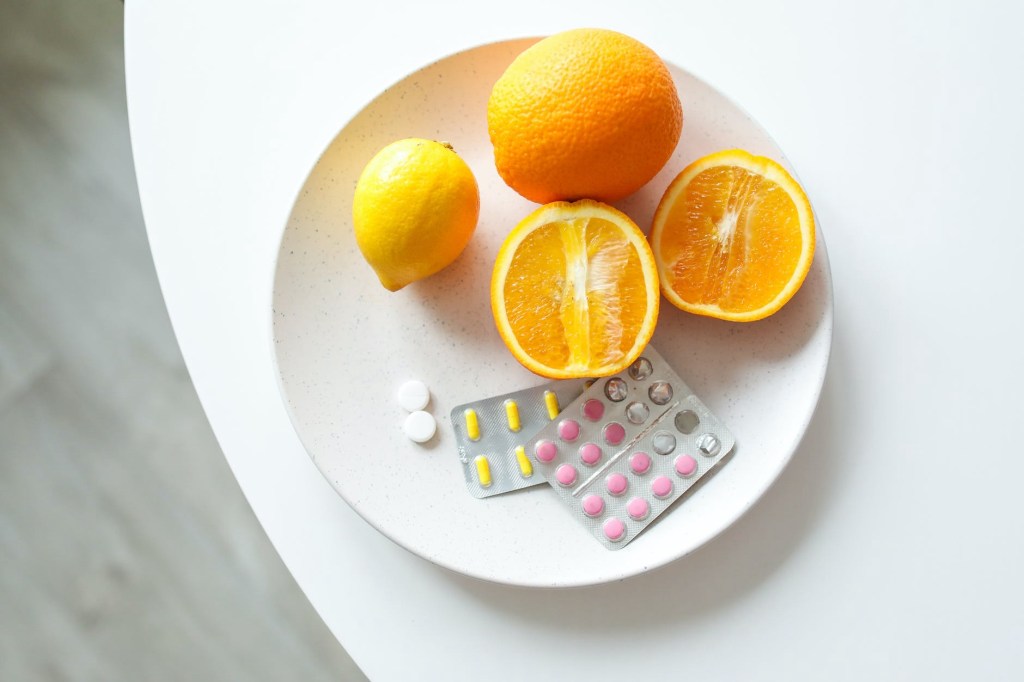
Do you want to join me?
First let’s look at each vitamin and what they are for.
🩷 List of vitamins 🩷
- Vitamin A: Important for vision, immune function, and skin health.
- Vitamin C: Necessary for collagen production, immune support, and antioxidant defense.
- Vitamin D: Vital for bone health, immune function, and calcium absorption.
- Vitamin E: An antioxidant that supports skin health and protects cells.
- Vitamin K: Essential for blood clotting and bone metabolism.
- Vitamin B complex (B1, B2, B3, B5, B6, B7, B9, B12): Important for energy metabolism, nervous system function, and cell division.

Ion 📝
We know red meats have high in ion but what if you are plant based? I eat fairly moderately, but I hardly eat red meats.

🌸🌸🌸🌸🌸🌸🌸🌸🌸🌸🌸🌸🌸🌸🌸
In a plant-based or vegetarian diet, you can obtain essential minerals, including ions, from various sources. Here are some examples:
- Iron: Found in plant sources like beans, lentils, tofu, and fortified cereals. Consuming vitamin C-rich foods alongside iron-rich foods enhances iron absorption.
- Zinc: Seeds (pumpkin seeds, sunflower seeds), nuts (cashews, almonds), legumes (chickpeas, lentils), and whole grains are good sources of zinc in a vegetarian diet.
- Calcium: Dark leafy greens (kale, collard greens), fortified plant-based milk (soy, almond, oat), tofu, and some nuts and seeds are rich in calcium.
- Potassium: Found abundantly in fruits (bananas, oranges, melons), vegetables (potatoes, sweet potatoes, spinach), and legumes.
🌸🌸🌸🌸🌸🌸🌸🌸🌸🌸🌸🌸🌸🌸🌸
Vitamin D📝
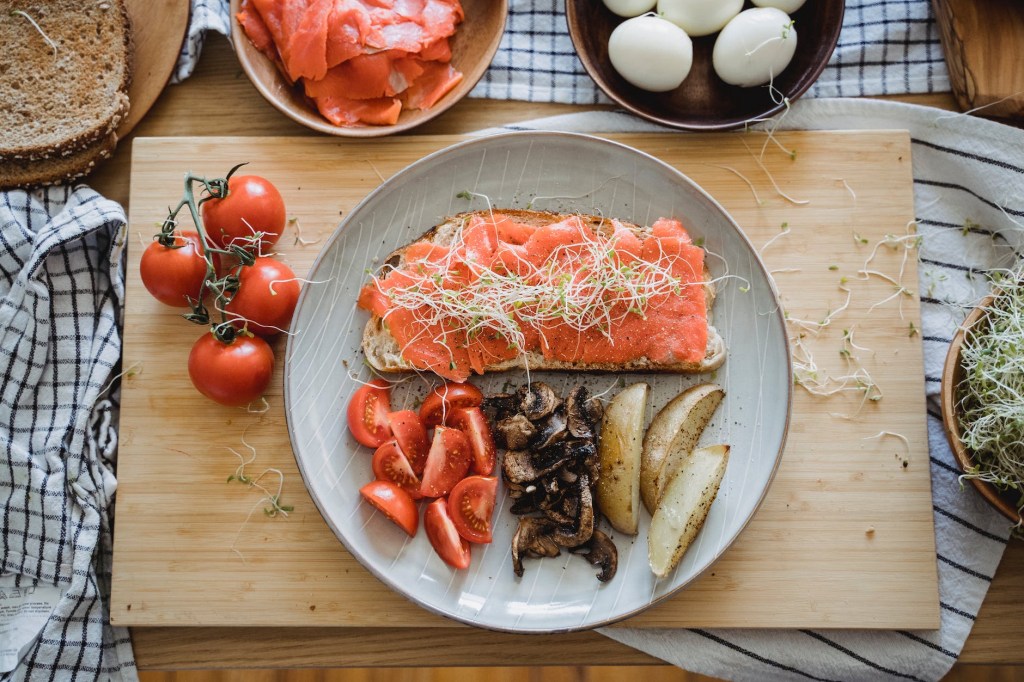
Foods high in vitamin D include fatty fish like salmon and mackerel, cod liver oil, fortified dairy products, eggs, and mushrooms exposed to sunlight. Sunlight exposure is also a natural way for the body to produce vitamin D.
🌸🌸🌸🌸🌸🌸🌸🌸🌸🌸🌸🌸🌸🌸🌸
Vitamin C📝
Foods high in vitamin C include citrus fruits (oranges, lemons, grapefruits), strawberries, kiwi, guava, bell peppers, and broccoli. Incorporating these into your diet can contribute to your daily vitamin C intake.
I am starting from focusing on these above to replace the combination of the supplements I used to take, then slowly adding more!
Let’s make 2024 a year for “healthier me” 🫶

Cheers for a healthy happy life!
Kayoko🌸

Facebook group for women’s health – blog updates, healthy life tips, yoga and coaching materials etc🩷
Coaching sessions, Yoga classes :
 Healthy Heart Wellness